Origins
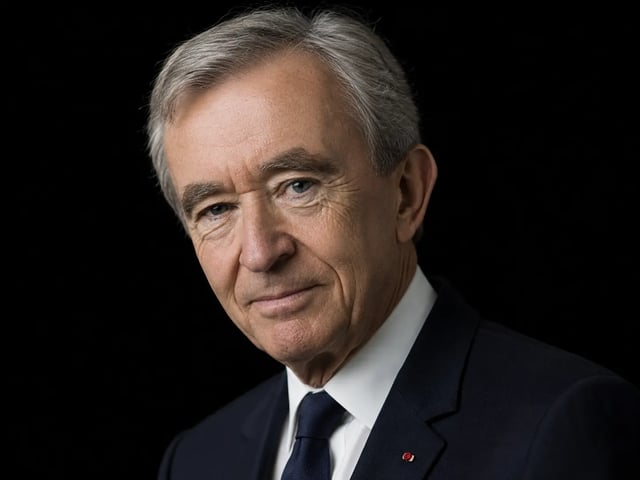
Born in Roubaix in 1949, he graduated from École Polytechnique in Paris, France's most selective engineering school, and joined the family construction business, which he reoriented towards real estate.
Entrepreneurs
Chairman of LVMH, the world's largest luxury group
Bernard Arnault built LVMH, transforming undervalued textile assets into the world's largest luxury empire.
“Luxury is a dream.”
10 Courses · 60 Lessons · 8 Hours
Biography
Born in Roubaix in 1949, he graduated from École Polytechnique in Paris, France's most selective engineering school, and joined the family construction business, which he reoriented towards real estate.
In 1981, with the arrival of socialists, he moved to the United States. He returned in 1984 and, with $15 million of his own money plus support from Lazard, acquired the bankrupt textile group Boussac, whose sole jewel was Christian Dior. He sold everything else and kept the fashion house.
In 1989, through a series of audacious stock market maneuvers that earned him the nickname “the wolf in cashmere,” he seized control of LVMH. From there, he built an empire: Givenchy, Fendi, Sephora, Tag Heuer, Bulgari, Tiffany for $15.8 billion. Over 75 brands and Europe's largest company by market capitalization.
His strategy: acquire brands with authentic histories, protect their creative heritage by entrusting it to free-thinking talents (Galliano, Jacobs, Slimane), and impose rigorous industrial discipline on distribution, pricing, and margins. No discounting: desire is built through scarcity.
He still leads LVMH with his five children integrated into the group. He effectively invented the modern concept of the luxury group.
Tiptico analysis
Bernard Arnault built LVMH by treating heritage houses as assets whose value depends on desire being managed rather than demand being served. Tiptico's independent analysis looks at the mechanics: the creative-plus-management pairing inside each maison, the deliberate refusal to scale certain lines, distribution control, and the acquisition discipline that assembled the group.
Arnault's core insight is that a luxury house sells access to something that must remain slightly out of reach. Waiting lists, controlled allocations and refusal to discount are not marketing tactics but the product itself; a bag available instantly at a discount is a different, cheaper object regardless of the stitching. The financial consequence is pricing power that survives recessions, because the customer is buying position, not utility.
Each maison runs on a deliberate tension — a creative director given genuine artistic freedom, paired with a manager accountable for the numbers, with Arnault arbitrating. Appointing young, disruptive designers to old houses (Galliano at Dior, later Jacobs at Vuitton) was a repeated pattern for restoring cultural relevance without diluting heritage. The structure exists because he believes neither pure commerce nor pure creativity produces a durable house.
Vertical control of distribution — own boutiques, own real estate on the right streets, tight limits on wholesale — determines the environment in which the object is experienced and prevents third parties from repositioning it through markdowns. It is expensive and it is the point: the retail experience is part of what justifies the price.
LVMH's growth came from buying houses with authentic heritage and under-exploited desirability, then investing heavily in craft and marketing while leaving identity intact. Arnault's contested campaigns — Gucci, Hermès — show the aggression behind the elegance. The portfolio logic is diversification across categories and cycles under a shared operating capability: fashion, wine, jewellery and beauty all respond to the same scarcity discipline.
If your advantage is desirability, protect scarcity before you chase volume.
Never discount an asset whose value is positional.
Pair creative authority with financial accountability rather than merging them.
Control the environment in which your product is experienced.
Acquire authenticity you cannot manufacture, then fund it rather than rebrand it.
Independent educational analysis of the ideas, principles and documented work of Bernard Arnault. Tiptico is not affiliated with, endorsed by or authored by Bernard Arnault.
His library
10 Courses · 60 Lessons · 8 Hours. Select a course to see every lesson inside it.
New to Bernard? Start here
Master the art of brand elevation and market dominance through exclusive luxury.
Beginner
6 lessons
From Entrepreneur to Acquirer: Arnault's Early Vision
8 min readThe Boussac Takeover: Securing Dior's Destiny
8 min readLuxury's Paradox: Engineering Desirability Through Scarcity
8 min readThe Power of Heritage: Brand Narrative as Strategic Asset
8 min readVertical Integration: Controlling Quality from Creation to Store
8 min readGlobal Expansion: Launching Dior's Reach Beyond Paris
8 min readTiptico courses are independent educational analyses based on publicly available information, writings, interviews, speeches and documented decisions. The individuals featured are not instructors, employees, partners, sponsors or endorsers of Tiptico unless explicitly stated.
Join Tiptico
One membership at $49/month: the entire catalog, new Originals every month, cancel anytime.
Minds who think along the same lines as Bernard.
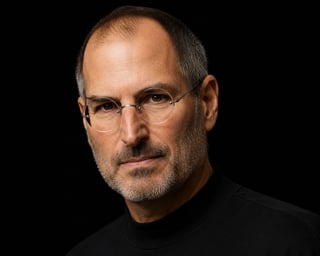
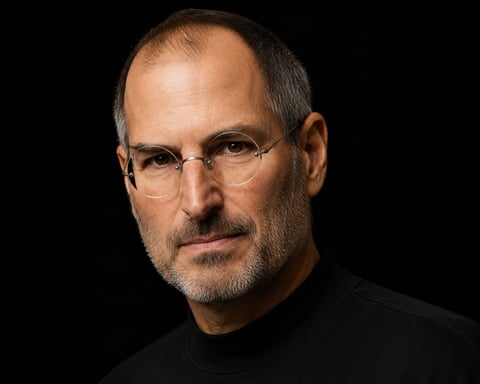
Steve Jobs
Co-founder of Apple, creator of the iPhone
10 Courses · 60 Lessons · 8 Hours
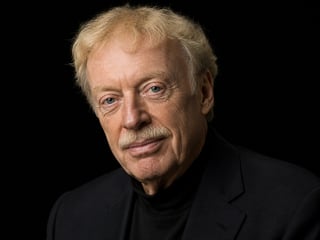
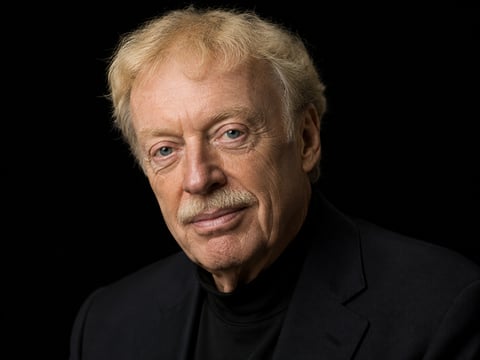
Phil Knight
Co-founder of Nike and the Swoosh empire
10 Courses · 60 Lessons · 8 Hours
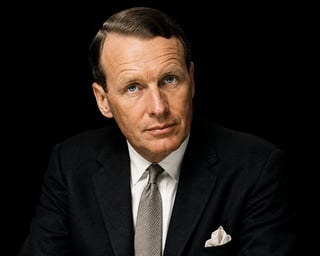
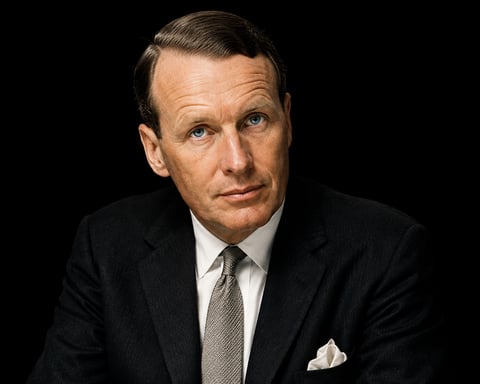
David Ogilvy
Founder of Ogilvy & Mather, the father of advertising
8 Courses · 40 Lessons · 5 Hours
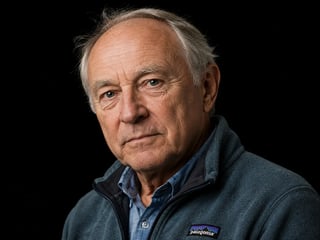
Yvon Chouinard
Founder of Patagonia, gave the company to the planet
8 Courses · 40 Lessons · 5 Hours
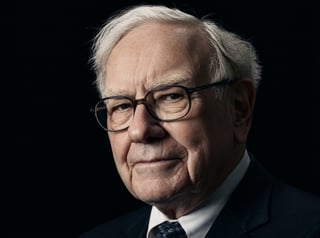
Warren Buffett
Built Berkshire Hathaway into a $900B empire
10 Courses · 60 Lessons · 8 Hours
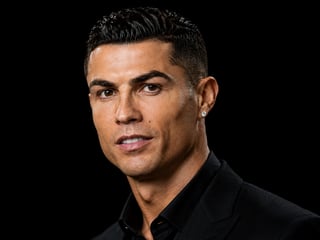
Cristiano Ronaldo
5 Ballon d'Ors and football's all-time top scorer
10 Courses · 60 Lessons · 8 Hours